For those of us who have been teaching in digital environments for a while, tables used to be our go-to tool for structuring content. Need to align images and text? Throw it in a table. Want to create a fancy layout? A table could handle that too. It worked—until it didn’t.
As technology advanced, so did the tools that help students navigate online content, including screen readers. Suddenly, our clever layout hacks weren’t so clever anymore—screen readers couldn’t interpret them properly, leaving some students at a disadvantage.
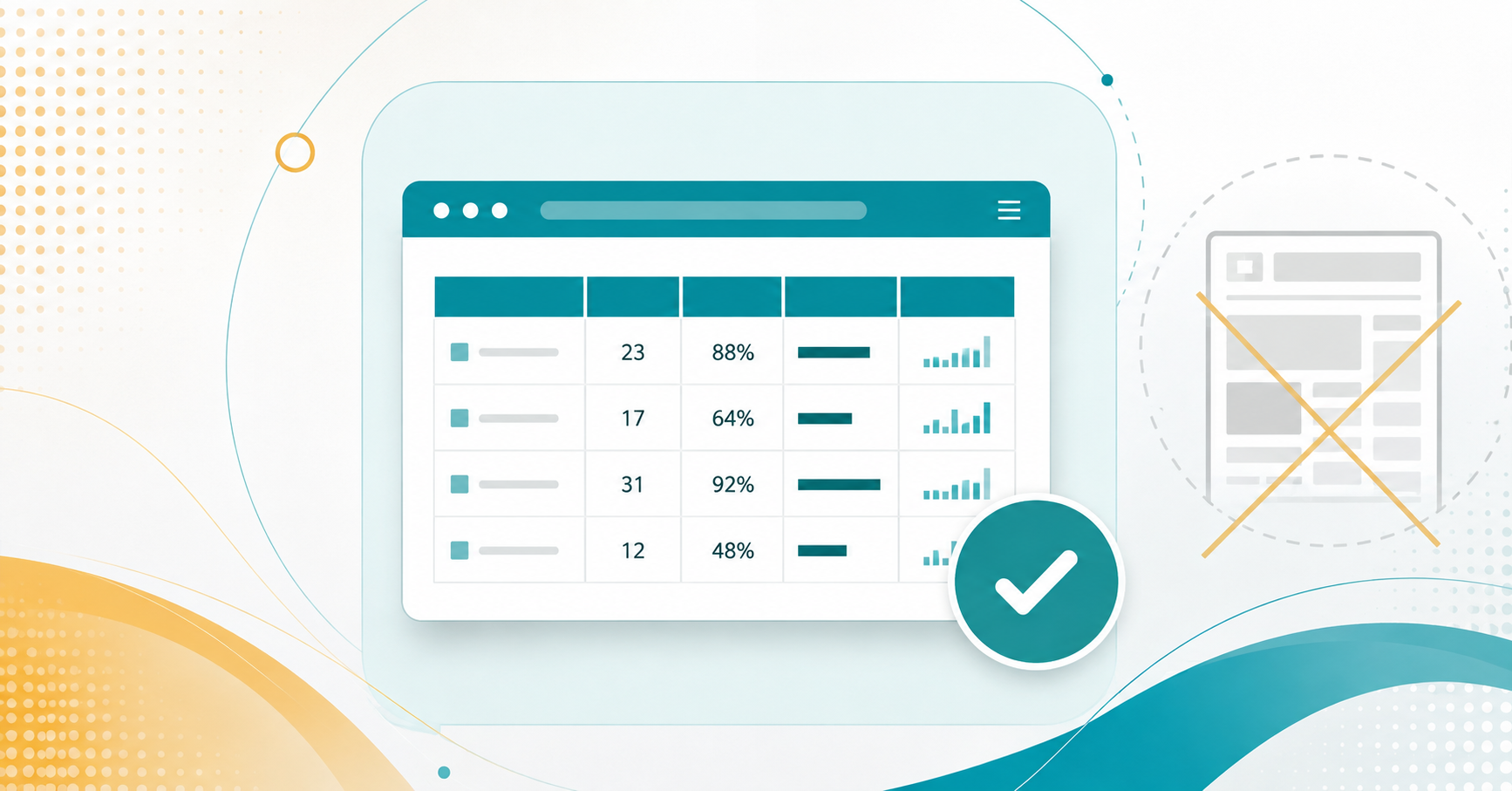
Now, tables are specifically designed for data, with built-in accessibility features that help assistive technologies read them correctly. When tables are misused for layout, they create unnecessary barriers for students relying on screen readers.